Understanding Childhood Trauma and Its Impact
Trauma in children isn’t just about experiencing a frightening event; it’s about the overwhelming emotional and psychological response to that event, one that shatters their sense of safety and control. Children, due to their developing brains and limited coping mechanisms, often process traumatic experiences differently than adults. What might seem minor to an adult could be profoundly unsettling for a child. Understanding this distinction is the first step towards effective support.
Traumatic events can take many forms: natural disasters, accidents, violence (witnessed or experienced), loss of a loved one, abuse, severe illness, or even significant changes like family separation or displacement. The impact isn’t always immediate; it can manifest in various ways, often subtly, over time. Common reactions include:
- Emotional Changes: Increased anxiety, fear, sadness, anger, irritability, emotional numbness, or sudden mood swings.
- Behavioral Changes: Regression to earlier developmental stages (e.g., bedwetting, thumb-sucking), difficulty sleeping, nightmares, changes in appetite, withdrawal from social activities, increased aggression, or clinging behavior.
- Physical Symptoms: Headaches, stomach aches, fatigue, or other physical complaints without a clear medical cause.
- Cognitive Changes: Difficulty concentrating, problems at school, memory issues related to the event, or obsessive thoughts.
It’s crucial to remember that every child’s reaction is unique. There’s no single “right” way to respond to trauma, and your child’s journey through healing will be deeply personal. Recognizing these signs early, however, is paramount. Just as we advocate for open discussions about significant life decisions, like the 4 things you should discuss before having children to build a strong foundation, recognizing and addressing potential emotional challenges early on is a vital component of proactive parenting. A strong family foundation built on communication and understanding is a powerful buffer against life’s harsher realities. Observing persistent changes in your child’s behavior or mood, particularly if they interfere with their daily functioning, should signal the need for attentive support.
The long-term effects of unaddressed trauma can be significant, influencing a child’s development, relationships, and overall well-being. However, with the right support, children are incredibly resilient. Your presence, understanding, and proactive approach are the most powerful tools in helping them navigate this challenging period and emerge stronger. Understanding that trauma affects the entire family system can help parents prepare themselves, aligning with the ethos of asking yourself, Are you ready to have your first child read this first, because true readiness encompasses the capacity to support your child through all of life’s complexities.
Creating a Safe and Predictable Environment
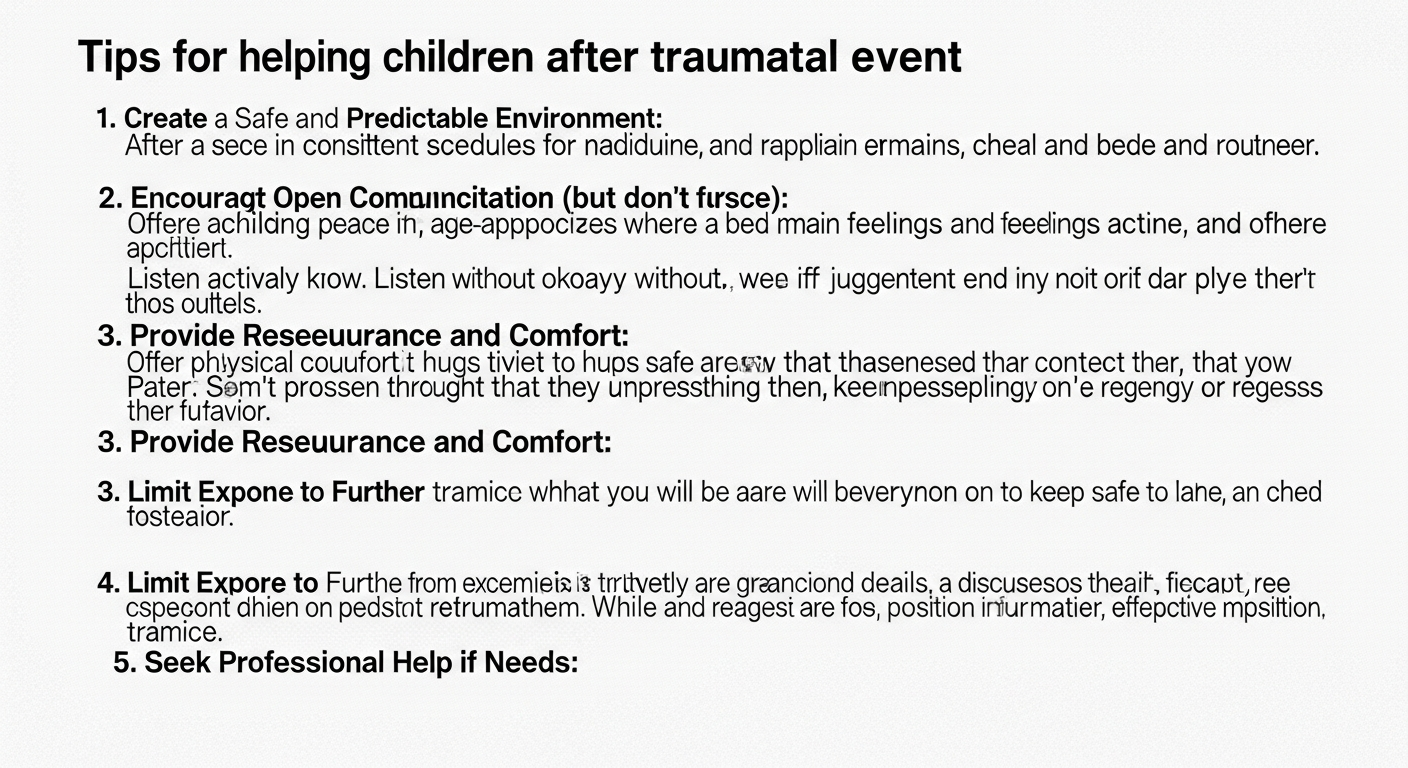
After a traumatic event, a child’s world often feels unpredictable and unsafe. The most fundamental step in helping them cope is to re-establish a sense of security, stability, and predictability. This creates a healing environment where their nervous system can begin to regulate and they can feel grounded once more.
Physical Safety First: Ensure your child is physically safe from any ongoing threats. If the trauma was related to a specific location or person, take steps to remove them from that situation or ensure they feel protected from it. Reassure them repeatedly that they are safe with you, and you will do everything in your power to keep them out of harm’s way. Simple statements like, “You are safe here, and I am here to protect you,” can be incredibly powerful.
Establish Routines and Predictability: Trauma thrives on chaos. Counteract this by creating and sticking to consistent daily routines. Regular mealtimes, bedtimes, and planned activities provide a sense of structure and predictability that helps children feel more in control. Knowing what to expect reduces anxiety and allows their brains to begin processing the event in a more organized way. Even small routines, like a consistent morning ritual or a nightly story, can make a significant difference. Try to return to pre-trauma routines as much as possible, as this signals a return to normalcy.
Provide a Secure Home Base: Make your home a sanctuary. This means a place where your child feels emotionally safe to express themselves without judgment. Ensure they have a comfortable, private space where they can retreat if they feel overwhelmed. This might be their bedroom, a cozy reading nook, or even just a designated spot on the couch where they feel secure. Encourage them to personalize this space if possible, making it truly their own.
Limit Exposure to Triggers: Be mindful of potential triggers that might remind your child of the traumatic event. This could include certain sounds, smells, images, or even news reports. While you can’t shield them from everything, you can control their exposure to disturbing media, especially around the event. This also means being careful about adult conversations about the trauma within earshot of your child. Protect their emotional space as much as their physical one.
Consistent and Calm Parenting: Your calm presence is a powerful healing force. Children often mirror the emotions of their primary caregivers. While it’s natural for you to feel distressed, try to regulate your own emotions when interacting with your child. Speak in a soothing voice, maintain eye contact, and offer gentle physical comfort like hugs or holding hands. Consistency in discipline and expectations, while also being flexible and understanding of their current emotional state, helps reinforce boundaries and security.
By consciously building a safe, predictable, and nurturing environment, you provide the essential scaffolding your child needs to begin their journey of healing. This stable foundation allows them to gradually process their experiences, knowing they are protected and supported every step of the way.
Encouraging Communication and Emotional Expression
Listen Actively and Patiently: When your child does choose to share, listen without interruption, judgment, or trying to fix things immediately. Your primary role is to hear and validate their experience. Make eye contact, nod, and use reassuring phrases like, “I hear you,” or “That sounds really scary.” Don’t pressure them to talk; instead, let them know you’re available whenever they’re ready. Sometimes, simply being present and available is enough.
Use Age-Appropriate Language: Explain the traumatic event in simple, factual, and age-appropriate terms. Avoid overly graphic details or complex explanations that might confuse or overwhelm them. Focus on what they need to know to feel safe and understand what happened, without minimizing their experience. For very young children, this might involve using analogies or focusing on the feeling of being safe now. Reiterate that the event was not their fault.
Validate Their Feelings: All feelings are okay. Your child might express anger, sadness, fear, guilt, confusion, or even numbness. Avoid saying things like, “Don’t be sad” or “You shouldn’t be angry.” Instead, validate their emotions by saying, “It makes sense that you feel angry after what happened,” or “It’s okay to feel sad; I’m sad too.” Validating their emotions teaches them that their feelings are normal and acceptable, fostering emotional intelligence and trust.
Encourage Non-Verbal Expression: Not all children are verbal communicators, especially after trauma. Provide alternative outlets for emotional expression.
- Art and Drawing: Offer crayons, markers, paint, and paper. Children often draw what they can’t express with words. Ask them about their drawings, but don’t interpret them yourself; let them explain.
- Play Therapy: For younger children, play is their natural language. Engage in imaginative play, using dolls, action figures, or puppets to re-enact events or express feelings. Observe their play for clues about their inner world.
- Journaling: For older children and teens, journaling can be a powerful tool for processing thoughts and emotions privately. Encourage them to write, draw, or simply doodle in a journal.
- Music and Movement: Encourage dancing, singing, or listening to music as a way to release tension and express mood.
Read Books About Feelings: Many children’s books address difficult emotions, grief, and resilience. Reading these together can open up conversations in a gentle, non-threatening way. It shows them that others have similar feelings and offers strategies for coping.
Be a Model for Emotional Expression: While you need to regulate your own emotions, it’s also healthy to model appropriate emotional expression. It’s okay to share your own sadness or frustration in a controlled way, demonstrating that adults also have feelings and healthy ways to cope. This teaches your child that vulnerability is not a weakness.
Remember that communication is a two-way street. Be patient, be present, and create a space where your child feels truly seen and heard. This foundational support strengthens your bond and empowers them to navigate their healing journey with confidence.
Practical Strategies for Daily Coping
Beyond establishing safety and encouraging communication, integrating practical coping strategies into your child’s daily life can significantly aid their recovery and build resilience. These strategies help manage stress, regulate emotions, and foster a sense of well-being.
Mindfulness and Breathing Exercises: Trauma often puts the body into a constant state of “fight, flight, or freeze.” Simple mindfulness techniques and breathing exercises can help regulate the nervous system. Teach your child deep belly breathing: “Smell the flower, blow out the candle.” Apps designed for children’s mindfulness can also be helpful. Even a few minutes a day can make a difference in grounding them and reducing anxiety.
Physical Activity and Play: Movement is a powerful way to release pent-up energy, stress, and emotions. Encourage plenty of outdoor play, sports, dancing, or any physical activity your child enjoys. Play, especially unstructured play, is essential for children to process experiences, problem-solve, and regain a sense of normalcy and joy. It’s not just fun; it’s a vital part of healing.
Healthy Sleep Habits: Sleep disturbances are common after trauma. Prioritize a consistent and calming bedtime routine. Ensure their bedroom is dark, quiet, and cool. Avoid screens before bed. If nightmares are frequent, discuss them gently in the morning, focusing on the feeling of safety now. A good night’s sleep is critical for brain function, emotional regulation, and overall recovery.
Nutritious Eating: A balanced diet supports physical and mental health. While comfort eating might occur, try to encourage regular, nutritious meals. Avoid excessive sugar and processed foods, which can impact mood and energy levels. Involving children in meal preparation can also be a positive, grounding activity.
Limiting Exposure to Disturbing Media: Be vigilant about what your child consumes through television, internet, and social media. News reports, violent games, or graphic content can re-traumatize a child or exacerbate their anxiety. Create clear boundaries around screen time and monitor content carefully, especially in the initial aftermath of a traumatic event. This protective measure is an extension of creating a safe environment.
Reconnecting with Positive Activities: Encourage your child to re-engage with hobbies, friends, and activities they enjoyed before the trauma. This helps rebuild a sense of normalcy and reminds them of sources of joy and connection. If they show reluctance, be patient but gently encourage participation. Sometimes, just being around others and engaging in familiar, positive experiences can be incredibly therapeutic.
Practicing Gratitude: Even in difficult times, finding small things to be grateful for can shift perspective. Encourage a nightly ritual of sharing three things each person is grateful for. This simple practice can cultivate a more positive outlook and foster resilience over time. It’s a gentle way to remind yourselves of the good that still exists.
By integrating these practical, daily strategies, you empower your child with tools to manage their emotions and navigate the challenges of healing. These aren’t quick fixes but consistent efforts that build a foundation for long-term well-being and emotional strength.
Knowing When to Seek Professional Help
While parental support, a safe environment, and coping strategies are incredibly powerful, there are times when professional intervention becomes necessary. Recognizing these signs and knowing when to seek help is a crucial aspect of advocating for your child’s mental health.
Persistent or Worsening Symptoms: If your child’s trauma-related symptoms (anxiety, fear, sadness, aggression, withdrawal, sleep problems, physical complaints) persist for more than a few weeks, worsen over time, or significantly interfere with their daily life (school, friendships, family interactions), it’s a strong indicator that professional support is needed. Normal reactions to trauma typically begin to lessen over time; if they don’t, or if new, concerning behaviors emerge, don’t hesitate.
Signs of Severe Distress:
- Regression: Significant and prolonged regression to earlier developmental stages (e.g., severe bedwetting in an older child, persistent baby talk).
- Self-Harm or Suicidal Ideation: Any talk of hurting themselves, expressing a wish to die, or engaging in self-harming behaviors (e.g., cutting). This is an emergency and requires immediate professional attention.
- Extreme Withdrawal or Numbness: A child who becomes completely disengaged, emotionally flat, or seems unable to connect with others for an extended period.
- Panic Attacks or Severe Anxiety: Frequent or debilitating panic attacks, intense phobias, or generalized anxiety that prevents them from engaging in normal activities.
- Aggression or Destructive Behavior: Uncharacteristic and persistent outbursts of anger, aggression towards others or animals, or destructive behavior.
- Dissociation: Your child seems “checked out,” staring blankly, or reporting feelings of unreality or detachment from their body or surroundings.
Types of Professional Support:
- Child Psychologist or Psychiatrist: These professionals specialize in child development and mental health. A psychologist can provide therapy, while a psychiatrist can also prescribe medication if necessary.
- Play Therapy: Particularly effective for younger children, play therapy uses play as a medium for children to express and process their emotions and experiences in a safe, therapeutic setting.
- Cognitive Behavioral Therapy (CBT): A common and effective therapy that helps children identify and change negative thought patterns and behaviors related to the trauma.
- Eye Movement Desensitization and Reprocessing (EMDR): A specialized therapy that can be very effective for processing traumatic memories and reducing their emotional impact.
- Trauma-Focused Cognitive Behavioral Therapy (TF-CBT): A specific type of CBT designed for children and adolescents who have experienced trauma.
Finding a Qualified Therapist:
- Ask your pediatrician for a referral.
- Contact your health insurance provider for a list of in-network specialists.
- Look for therapists specializing in childhood trauma or child and adolescent psychology. Websites of professional organizations can be good resources.
- When you find a potential therapist, don’t hesitate to ask questions about their experience with childhood trauma, their therapeutic approach, and what you can expect.
Seeking professional help is not a sign of failure; it’s an act of courage and profound love for your child. It demonstrates your commitment to their well-being and your willingness to leverage all available resources to support their healing. Early intervention can significantly improve outcomes and prevent long-term challenges. You are your child’s strongest advocate, and knowing when to bring in additional expertise is a powerful part of that advocacy.
Self-Care for Parents: You Can’t Pour from an Empty Cup
Guiding a child through trauma is one of the most emotionally demanding challenges a parent can face. It’s easy to get so caught up in your child’s needs that you neglect your own, but remember, your well-being is intrinsically linked to your child’s healing. You truly cannot pour from an empty cup.
Acknowledge Your Own Emotions: It’s natural for parents to experience a wide range of emotions after their child experiences trauma: fear, anger, guilt, sadness, helplessness, and even secondary trauma. Suppressing these feelings can lead to burnout and make you less effective in supporting your child. Allow yourself to feel these emotions without judgment.
Seek Your Own Support: Just as you encourage your child to talk, find trusted adults with whom you can share your feelings. This might be a partner, a close friend, a family member, or a support group for parents of children who have experienced trauma. Sometimes, seeking your own therapy or counseling can be incredibly beneficial. A therapist can help you process your emotions, develop coping strategies, and manage stress, providing a safe space for you to unload without burdening your child.
Prioritize Basic Needs: When under stress, parents often let go of fundamental self-care. Make a conscious effort to prioritize:
- Sleep: Aim for adequate, restorative sleep.
- Nutrition: Eat regular, healthy meals.
- Physical Activity: Engage in some form of movement, even a short walk, to release tension.
- Mindfulness/Relaxation: Practice deep breathing, meditation, or listen to calming music for a few minutes each day.
These aren’t luxuries; they are necessities that fuel your capacity to be present and patient for your child.
Set Realistic Expectations (for Yourself and Your Child): Healing from trauma is a marathon, not a sprint. There will be good days and bad days. Don’t expect perfection from yourself or your child. Celebrate small victories and be gentle during setbacks. Understanding that recovery takes time will reduce your own frustration and guilt.
Take Breaks and Engage in Joyful Activities: It might feel selfish to take time for yourself when your child is struggling, but it’s essential. Schedule small breaks to do things you enjoy – reading, listening to music, pursuing a hobby, or spending time in nature. These moments of respite replenish your energy and remind you that life still holds moments of joy. This concept of preparedness and sustainability aligns with the insights found in “Are you ready to have your first child read this first,” which emphasizes the emotional and practical demands of parenthood, including the need for parents to maintain their own well-being to effectively care for their children.
Financial Well-being and Resources: Stress about finances can exacerbate parental stress. When considering resources for your family’s health and wellness, remember that managing costs is part of sustainable self-care. We often share 4 tips to save money on health and wellness goods, which can be particularly helpful during challenging times. Accessing affordable or free support groups, utilizing community mental health services, or exploring teletherapy options can help manage expenses while ensuring you and your child receive necessary care.
Remember, taking care of yourself isn’t selfish; it’s a vital component of being an effective, nurturing parent. Your resilience and capacity to cope directly impact your child’s ability to heal. By prioritizing your own well-being, you model healthy coping strategies for your child and strengthen your entire family unit.
Long-Term Healing and Resilience Building
Healing from trauma is not a destination but a continuous journey. While the immediate crisis may pass, the echoes of a traumatic event can resonate for years. Our role as parents shifts from immediate crisis management to fostering long-term resilience, helping our children integrate their experiences in a way that promotes growth rather than defining them by their trauma.
Embrace a Growth Mindset: Help your child understand that while they experienced something difficult, it doesn’t diminish their strength or potential. Focus on the skills they’ve developed through coping – their bravery, their empathy, their ability to ask for help. This is often referred to as post-traumatic growth, where individuals find new meaning, appreciation, or strength after adversity. Frame the experience not as something that broke them, but something they navigated with courage.
Continue Open Communication: The need for communication doesn’t end once immediate symptoms subside. Check in regularly, even if briefly, about their feelings. Holidays, anniversaries of the event, or similar situations can trigger old feelings. Maintain an environment where they know they can always talk to you without judgment, no matter how much time has passed since 2026 or earlier.
Reinforce Coping Skills: The strategies learned during the acute phase of trauma (mindfulness, physical activity, creative expression) are lifelong tools. Encourage your child to continue practicing them, not just when they’re distressed, but as part of their regular routine. This strengthens their emotional toolkit and builds a robust foundation for future challenges.
Foster Healthy Relationships: Strong social connections are a powerful buffer against the long-term effects of trauma. Encourage your child to maintain and build healthy friendships. Facilitate family bonding activities that promote connection, trust, and shared positive experiences. A supportive community, both within the family and externally, provides a safety net and a sense of belonging.
Promote Self-Advocacy: Empower your child to understand their own needs and advocate for themselves. Teach them to recognize when they are feeling overwhelmed and how to ask for help, whether from you, a teacher, a friend, or a professional. This builds self-efficacy and a sense of control over their own well-being.
Celebrate Milestones, Big and Small: Acknowledge and celebrate every step forward in their healing journey. This could be a breakthrough in expressing a difficult emotion, a successful return to a feared activity, or simply a period of consistent good sleep. These celebrations reinforce their progress and motivate them to continue.
Maintain Hope and Optimism: Your belief in your child’s ability to heal and thrive is incredibly powerful. Even on tough days, maintaining a hopeful and optimistic outlook can be contagious. Your resilience becomes a model for theirs, showing them that even after difficult experiences, a fulfilling and joyful life is possible.
Long-term healing from trauma is about weaving the experience into the fabric of their life in a way that doesn’t define them, but rather informs their strength and compassion. It’s about building a future where they feel capable, connected, and empowered, knowing they navigated a challenging past and emerged with enduring resilience, truly embodying the spirit of protecting families and choices for a brighter tomorrow.
Frequently Asked Questions About Helping Children Cope After Trauma
How long does it take for a child to cope after a traumatic event?
There’s no fixed timeline for healing from trauma; it’s a highly individual process. Some children may show significant improvement within weeks or months with strong support, while others might experience symptoms for a year or more, or have lingering effects that resurface during different developmental stages or life events. Patience, consistent support, and professional guidance are key, and it’s important not to rush the process. Focus on progress, not perfection.
What if my child doesn’t want to talk about the traumatic event? Should I force them?
It’s generally not recommended to force a child to talk about a traumatic event. Pressuring them can increase anxiety and make them withdraw further. Instead, create an open and safe environment where they know you are available and willing to listen whenever they are ready. Offer alternative ways to express themselves, such as drawing, playing, or writing. Let them lead the conversation, and reassure them that their feelings are valid, whether they choose to speak about them or not.
Are there specific resources for different types of trauma (e.g., natural disaster vs. abuse)?
Yes, while many coping strategies are universally helpful, specific resources exist for different types of trauma. Organizations like the National Child Traumatic Stress Network (NCTSN), Childhelp, and the American Academy of Pediatrics often provide specialized guidelines and support for various traumas, including natural disasters, abuse, grief, and community violence. Seeking out these specialized resources can offer targeted strategies and support networks tailored to your child’s specific experience.
How can I protect my child from future trauma, especially after they’ve already experienced one?
While it’s impossible to completely shield children from all potential harm, you can significantly enhance their protection and resilience. Focus on maintaining a safe, predictable home environment and strong family bonds. Teach them age-appropriate safety skills and empower them to speak up if something feels wrong. Foster open communication so they feel comfortable confiding in you. Building their coping skills and emotional intelligence also equips them to better navigate future challenges, reinforcing that you’ve discussed important aspects of preparedness, much like the “4 things you should discuss before having children” to build a strong foundation.
What’s the difference between grief and trauma in children, and how does it affect their coping?
Grief is the emotional response to loss, often characterized by sadness, yearning, and longing. Trauma, on the other hand, is the emotional response to an event that overwhelms a child’s sense of safety and control, potentially leading to fear, anxiety, hypervigilance, and difficulty functioning. While grief can be traumatic, and trauma can involve loss, the core difference lies in the disruption of safety. Children experiencing trauma may struggle more with a sense of danger, flashbacks, or avoidance behaviors, in addition to the sadness of grief. Healing involves addressing both the loss and the violation of safety.
How do I explain a traumatic event to a very young child (toddler/preschooler)?
For very young children, explanations should be extremely simple, brief, and reassuring. Focus on safety and your presence. For example, “A big storm happened, but you are safe with me now.” Avoid overwhelming details. Use concrete language and avoid abstract concepts. Reassure them repeatedly that it wasn’t their fault. Their understanding is primarily based on their feeling of security with their primary caregiver, so your calm and loving presence is the most important message you can convey.
Recommended Resources
Learn more about this topic in Servo Motors In Industrial Automation at Mitsubishi Manufacturing.
For more on tips for helping, see Passive Income Ideas 2026 on Diaal News.